

Singapore shophouses are among the city-state’s most distinctive property assets. With their colourful facades, traditional architecture and versatile commercial spaces, they attract investors seeking long-term property ownership as well as entrepreneurs looking for a unique location for their businesses.
However, not all shophouses offer the same opportunities. A conserved shophouse in the Central Business District (CBD) may command a substantial premium because of its prestigious address and proximity to office workers, while a unit in Joo Chiat may appeal to lifestyle businesses seeking a neighbourhood following. Areas such as Jalan Besar and Geylang can offer a different balance of entry price, local demand and rental potential.
Whether you are looking to buy a shophouse as an investment, establish a restaurant or cafe, open a retail shop, or rent a space for an office or creative business, choosing the right location is crucial.
This guide explores Singapore’s major shophouse districts, their neighbourhood character, suitable business types, relative property prices and investment potential.
3. Prime CBD and central shophouse districts
These locations are generally the most prestigious and internationally recognisable shophouse addresses in Singapore. They benefit from proximity to office workers, established dining destinations, major transport links and, in selected streets, strong visitor traffic.
Telok Ayer and Amoy Street 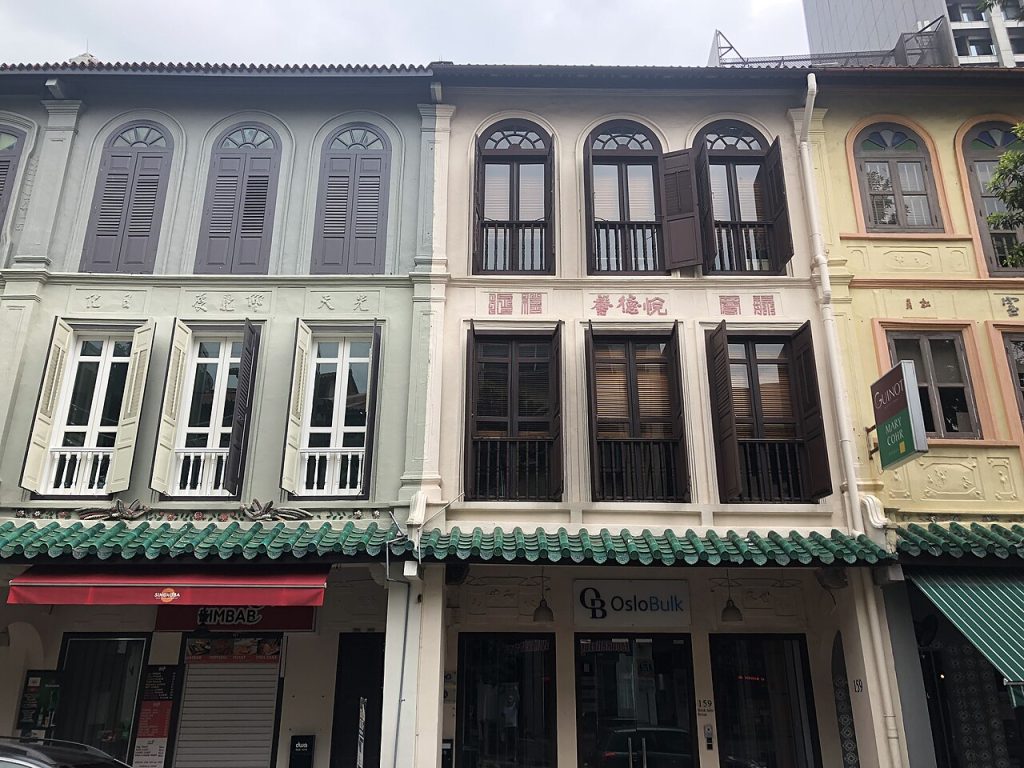
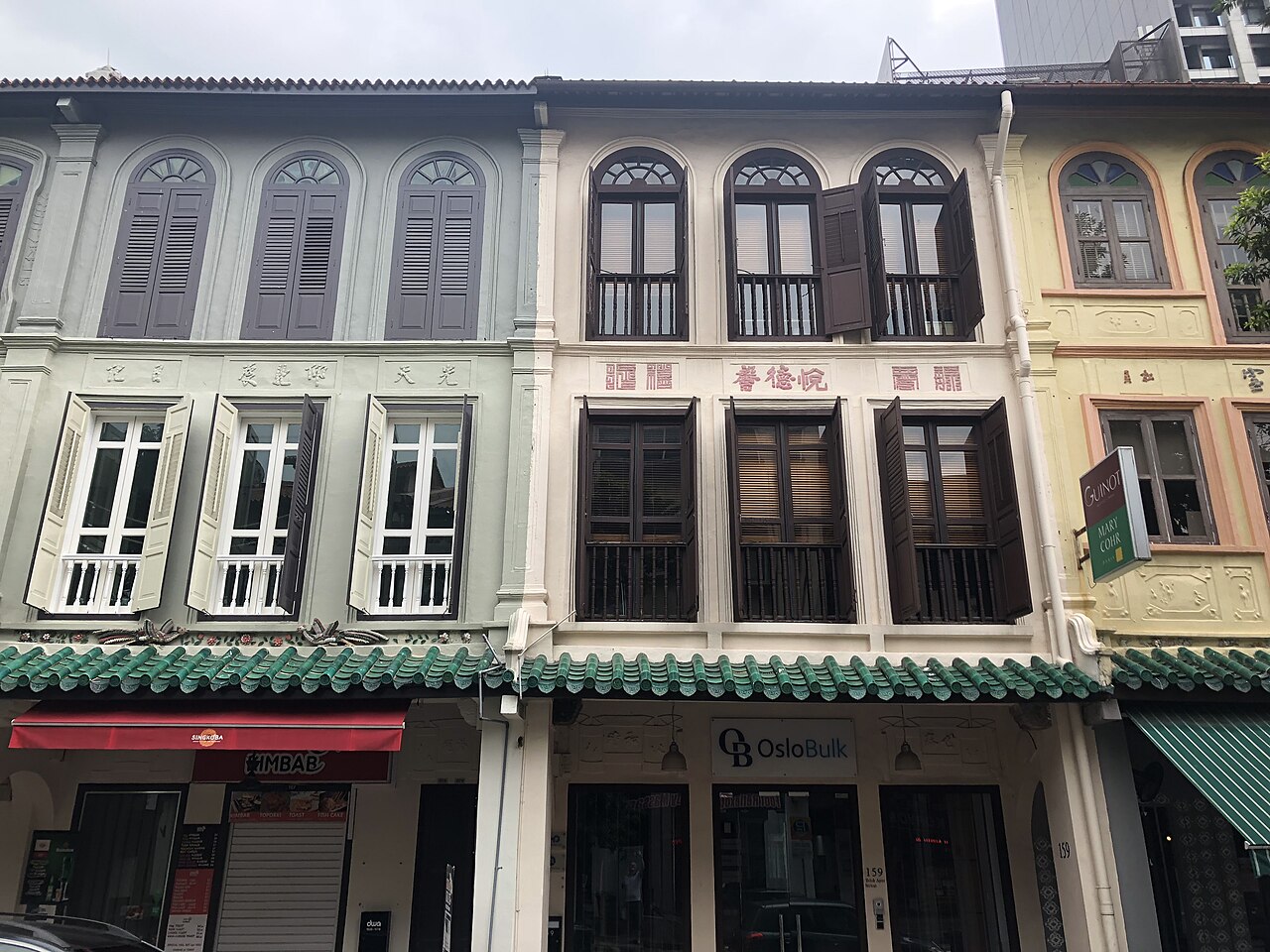
Best suited to: premium F&B, bars, professional offices
Neighbourhood character:
Telok Ayer and Amoy Street sit within Singapore’s CBD, where conserved shophouses stand alongside modern office towers. The area attracts office workers during the working week and diners in the evenings, and increasingly remains bustling on the weekends as the number of residences increases in the CBD.
Types of businesses
-
Restaurants, wine bars and specialist dining concepts
-
Premium cafes and takeaway food businesses
-
Professional services and creative offices
-
Boutique businesses seeking a central address
Investment and rental potential
Prime streets can command substantial premiums because of their location and established commercial identity. Investors may value the scarcity of these addresses, but high acquisition costs can make rental yields less attractive unless the property generates sufficient income. Instead, investors may treat this as a long term play on capital appreciation.
For tenants, the main question is whether the business can convert office-worker demand, evening dining traffic or a premium brand position into enough revenue to justify the rent.
Tanjong Pagar, Duxton Hill and Keong Saik Road 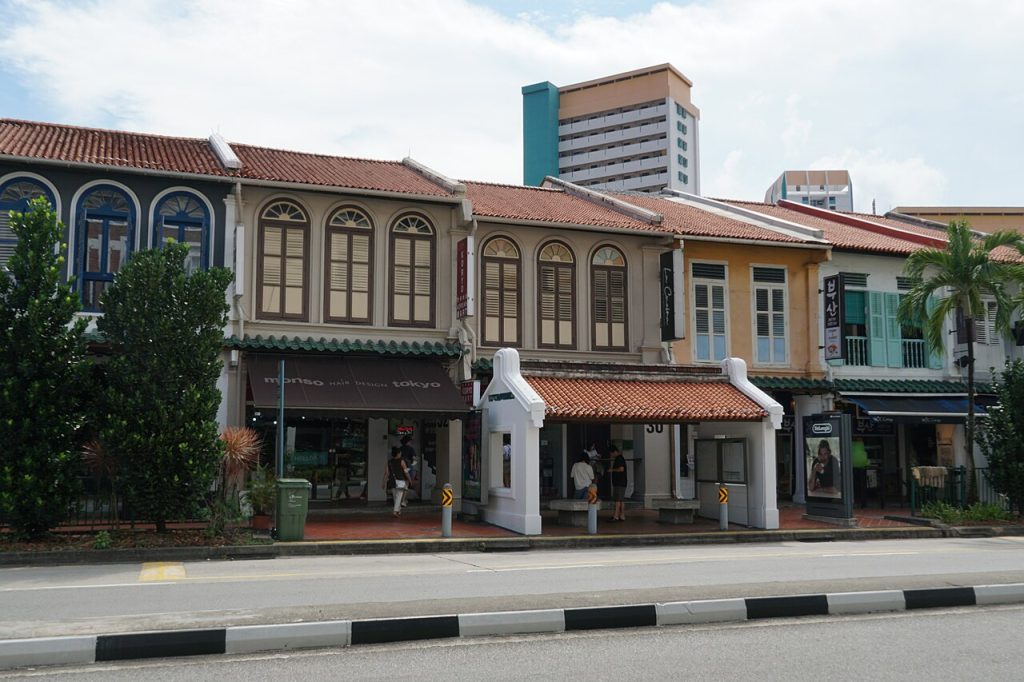
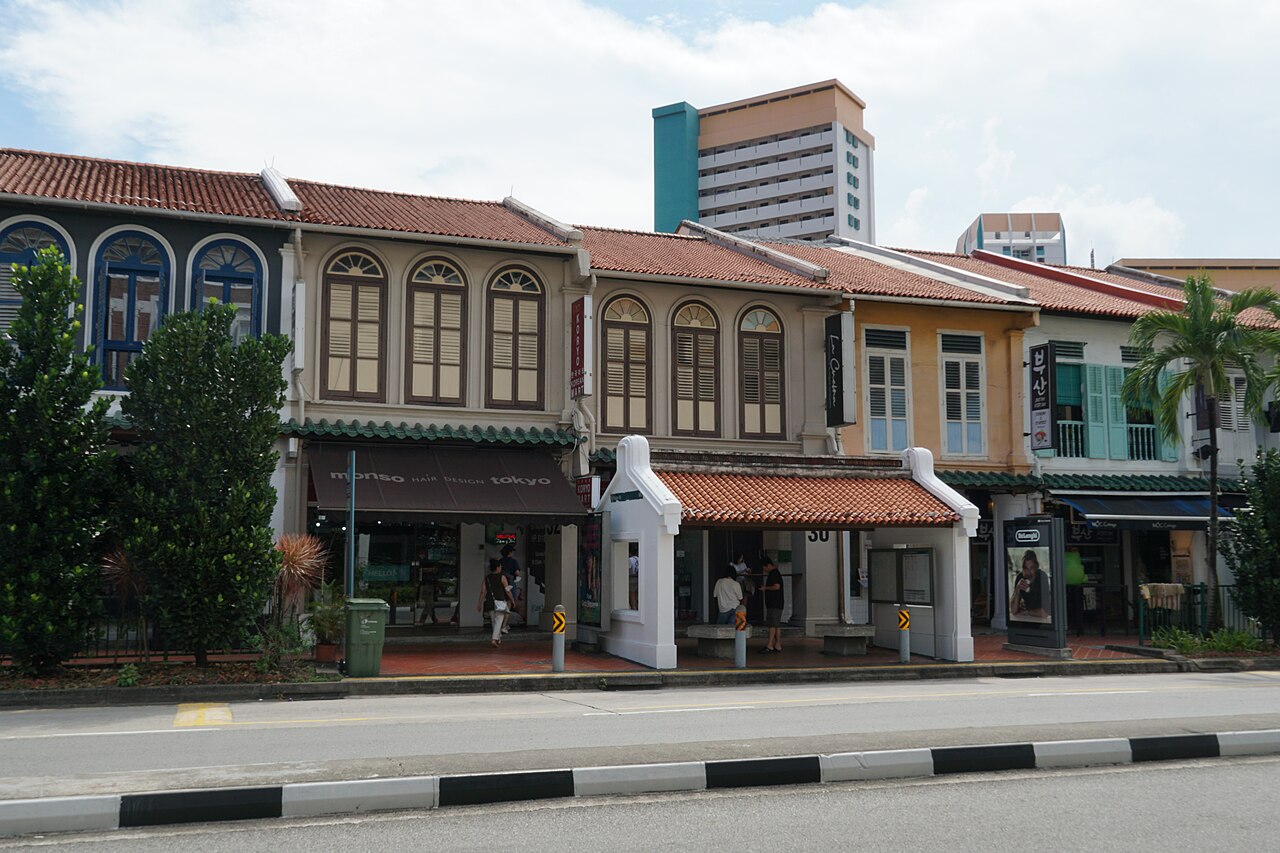
Best suited to: restaurants, lifestyle brands, hospitality and offices
Neighbourhood character
Tanjong Pagar combines the CBD’s office population with heritage streets, residential developments, restaurants and a well-established dining scene. Duxton Hill and Keong Saik Road are particularly associated with independent restaurants, cocktail bars and destination dining.
The area has a stronger lifestyle identity than a conventional office district, making it attractive to businesses that rely on both local customers and visitors seeking a particular experience.
Types of businesses
-
Restaurants and destination dining
-
Bars and hospitality-related concepts
-
Boutique offices and creative agencies
-
Premium retail and lifestyle brands
Investment and rental potential
These neighbourhoods are worth investigating for investors prioritising established demand and a central address. However, a premium location does not automatically mean a superior yield. A property purchased at a high price may produce a lower rental return than a less expensive city-fringe property.
Tenants should compare the visibility and foot traffic of individual shophouses rather than assuming every unit benefits equally from the area's reputation.
Chinatown, Bukit Pasoh and Kreta Ayer 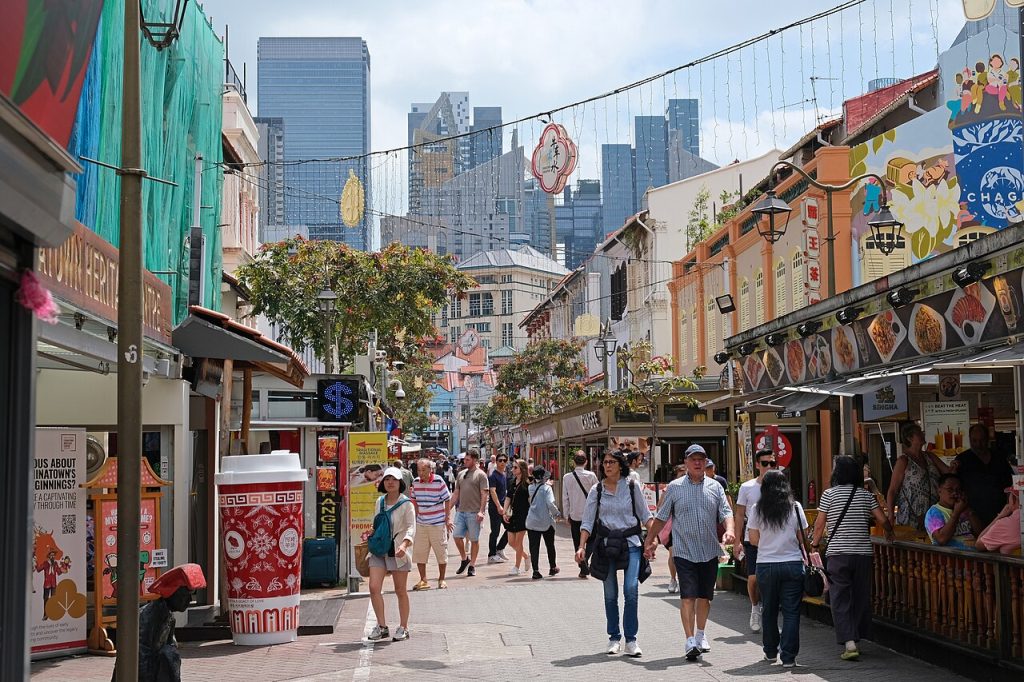
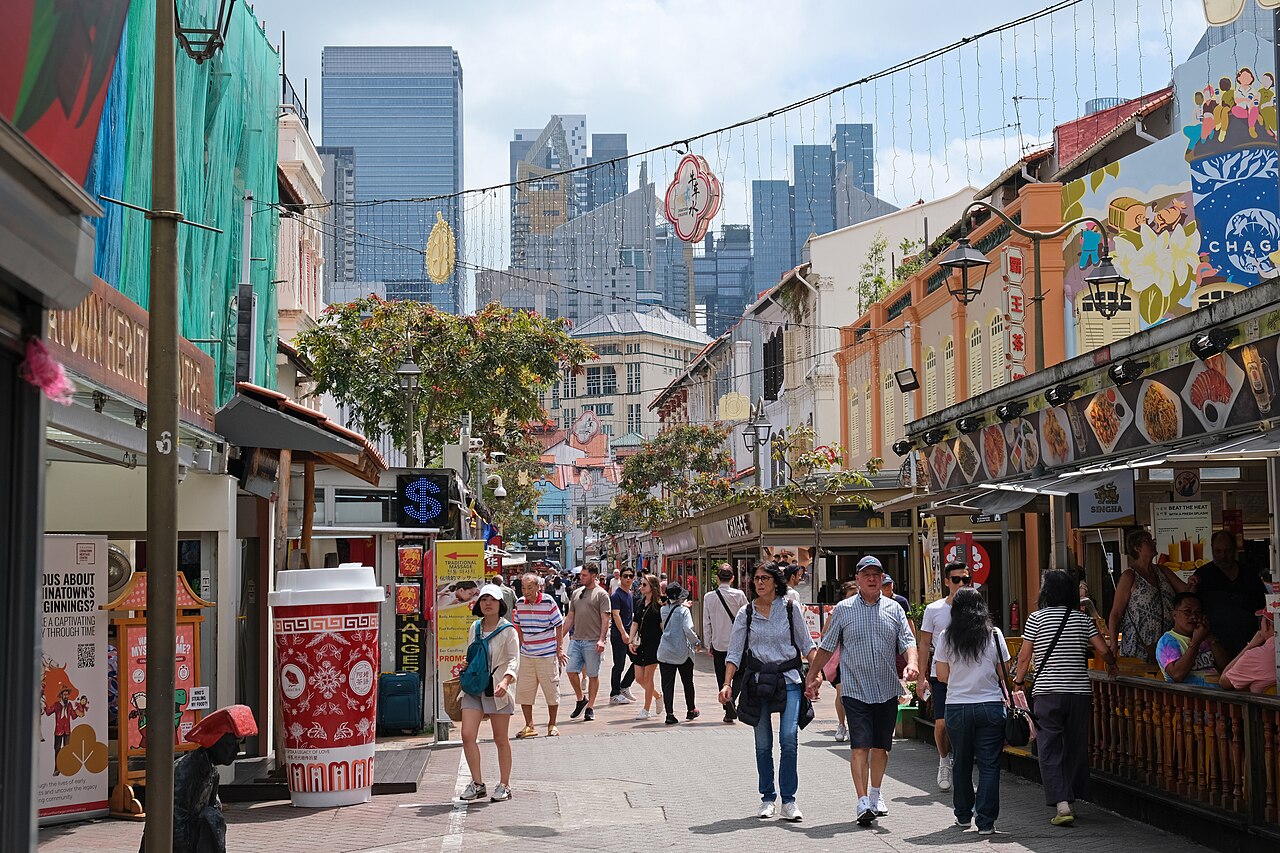
Best suited to: heritage retail, restaurants, specialist shops and selected offices
Neighbourhood character
Chinatown has a diverse customer base, combining tourists, local residents, office workers and visitors drawn to its cultural attractions and food scene. Bukit Pasoh has a more intimate, heritage-oriented streetscape, while parts of Kreta Ayer experience greater pedestrian activity around market streets and tourist attractions.
Types of businesses
-
Traditional food businesses to international restaurants
-
Souvenir shops and cultural retail
-
Specialty stores and independent brands
-
Offices, studios and selected hospitality uses
Investment and rental potential
Chinatown offers a broad range of micro-locations. A shophouse on a busy commercial street may have very different income potential from one on a quieter side street, even when both share the same general district address.
Investors should assess the immediate street environment, existing tenant demand and property-specific restrictions. Tenants should decide whether their business needs tourist visibility, repeat local customers or a quieter working environment.
Boat Quay and Circular Road 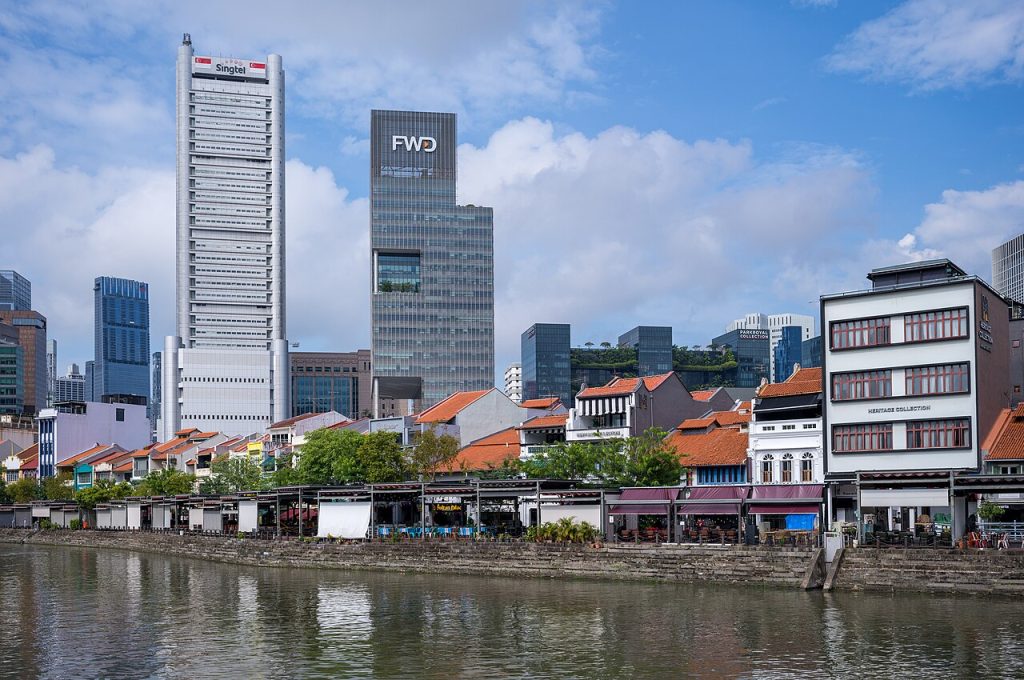
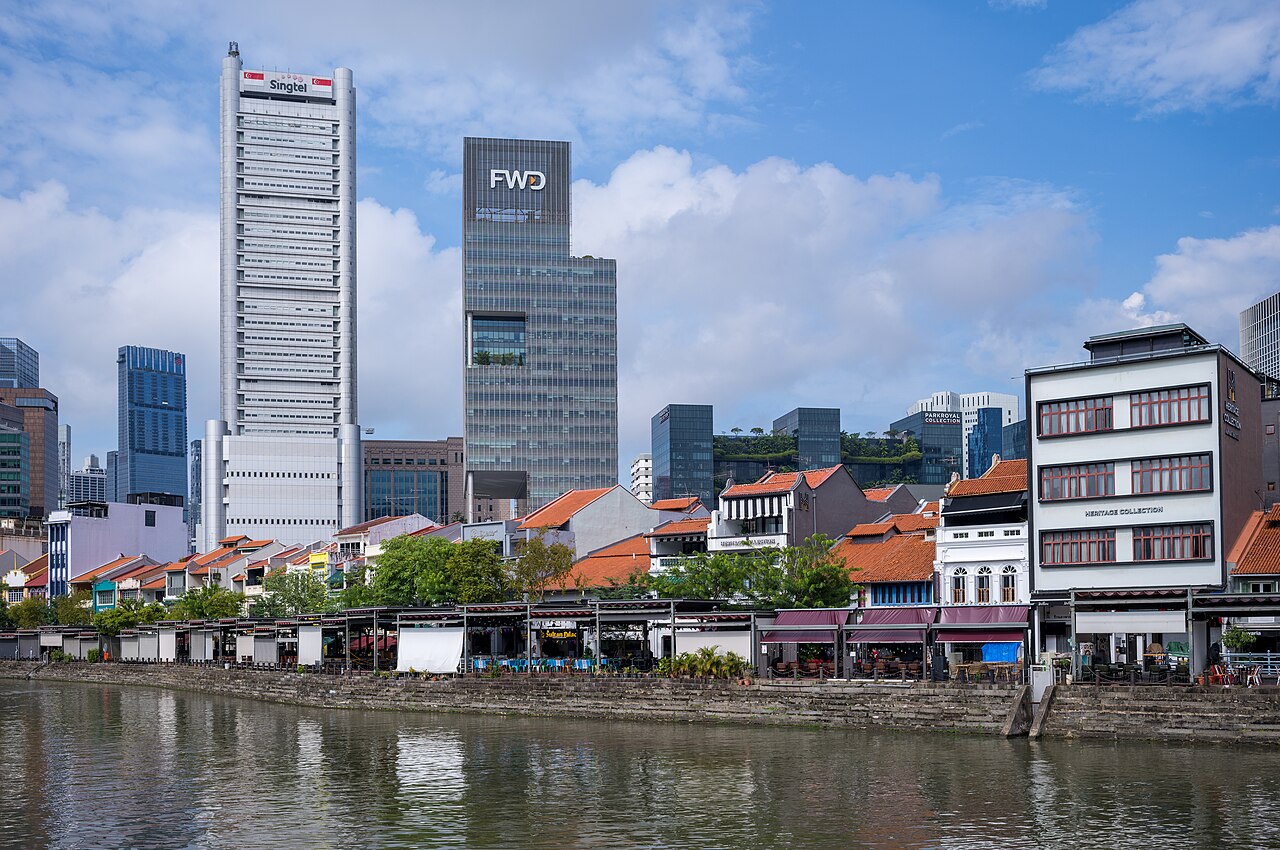
Best suited to: dining, hospitality and selected entertainment concepts
Neighbourhood character
Boat Quay is distinguished by its riverside setting and proximity to the Downtown Core. Circular Road and nearby streets have a strong food-and-beverage identity, attracting office workers, tourists and evening visitors.
Types of businesses
-
Restaurants and bars, subject to permitted use
-
Riverside dining concepts
-
Hospitality-related businesses
-
Selected offices and professional services
Investment and rental potential
A prominent river-facing or high-visibility unit may attract a premium, but frontage, layout and the ability to accommodate the intended business can be just as important as the district itself.
Tenants should examine rental sustainability and their business' ability to operate throughout the week, rather than relying solely on the area's evening popularity.
4. Lifestyle and heritage shophouse districts
These neighbourhoods are particularly relevant to buyers and tenants who value distinctive architecture, independent retail and a strong sense of place. Their appeal is often based on a combination of local customers and destination visitors.
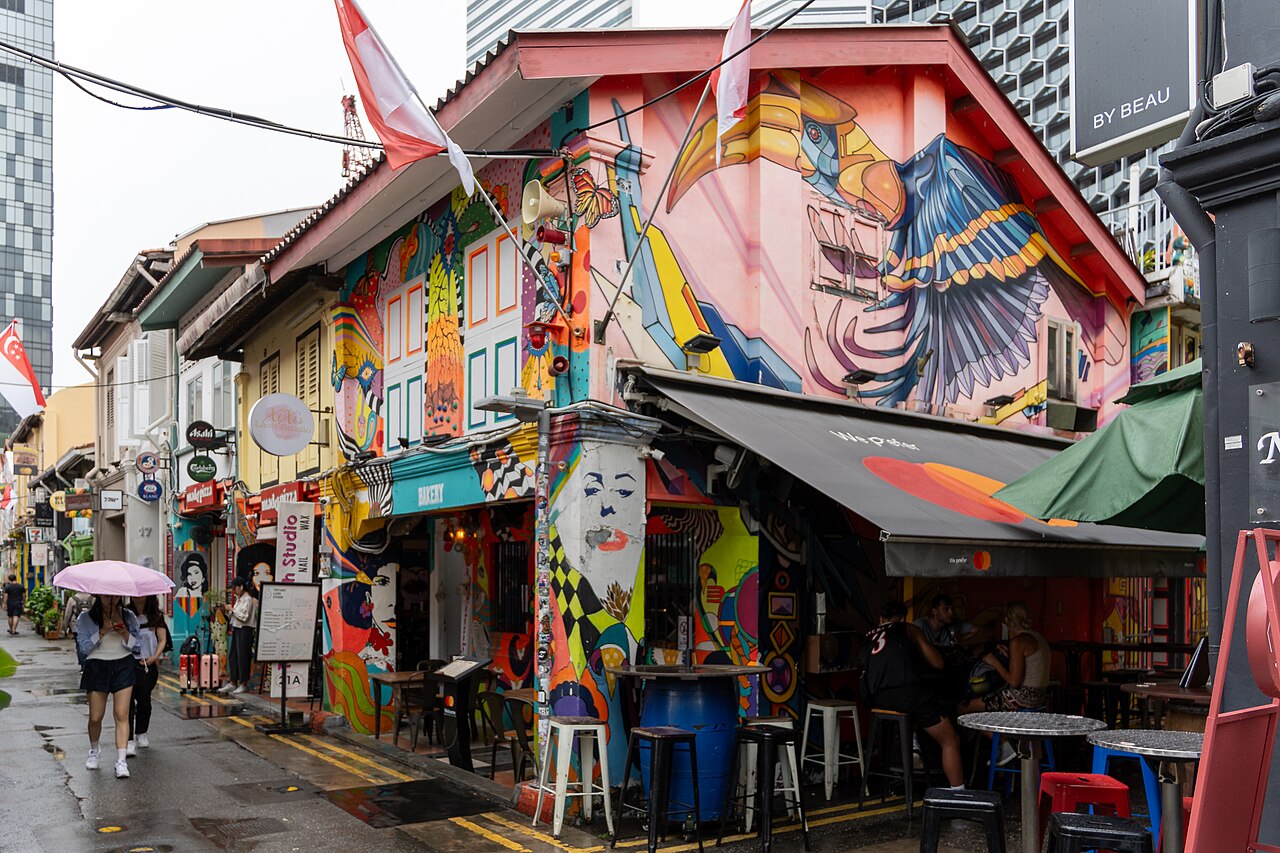
Kampong Glam and Bugis 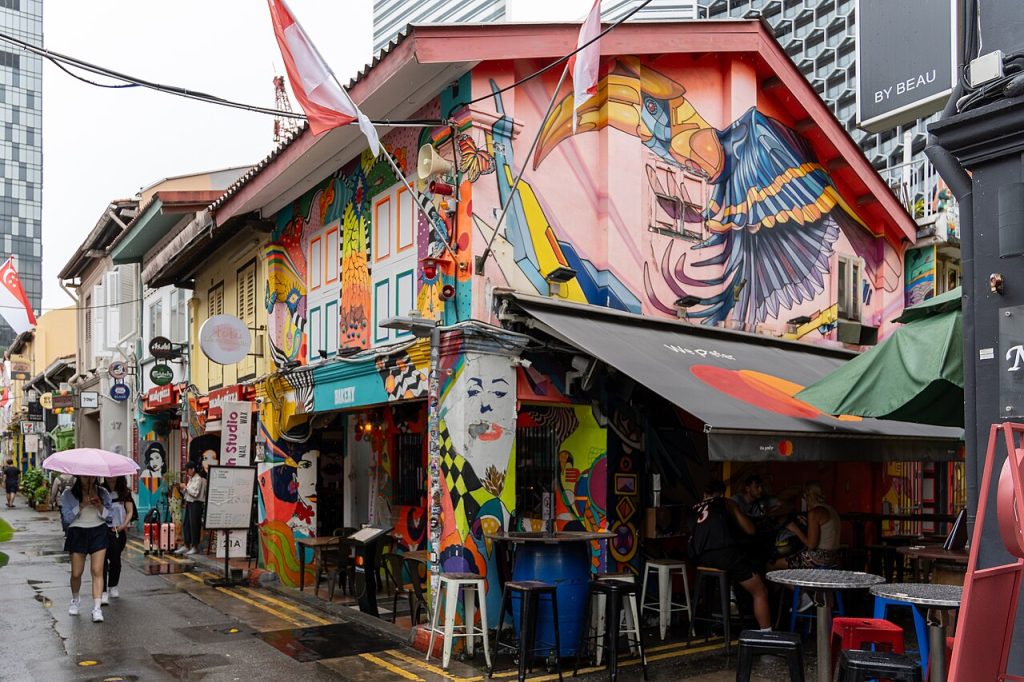
Best suited to: independent retail, cafes, fashion and creative businesses
Neighbourhood character
Kampong Glam combines heritage architecture and cultural landmarks with independent fashion stores, cafes, lifestyle businesses and visitor-oriented retail. Haji Lane and Arab Street have distinct identities, so the suitability of a particular unit depends heavily on its exact location.
Types of businesses
- Fashion and lifestyle boutiques
- Cafes and selected dining concepts
- Design, art and creative businesses
- Specialty retail and cultural products
Investment and rental potential
Kampong Glam can appeal to investors seeking a recognisable lifestyle district with an established visitor base. For tenants, the area can provide a strong brand setting, but rent needs to be assessed against actual footfall, customer conversion and competition. A quieter street may suit an appointment-based studio or specialist business better than a shop dependent on impulse purchases.
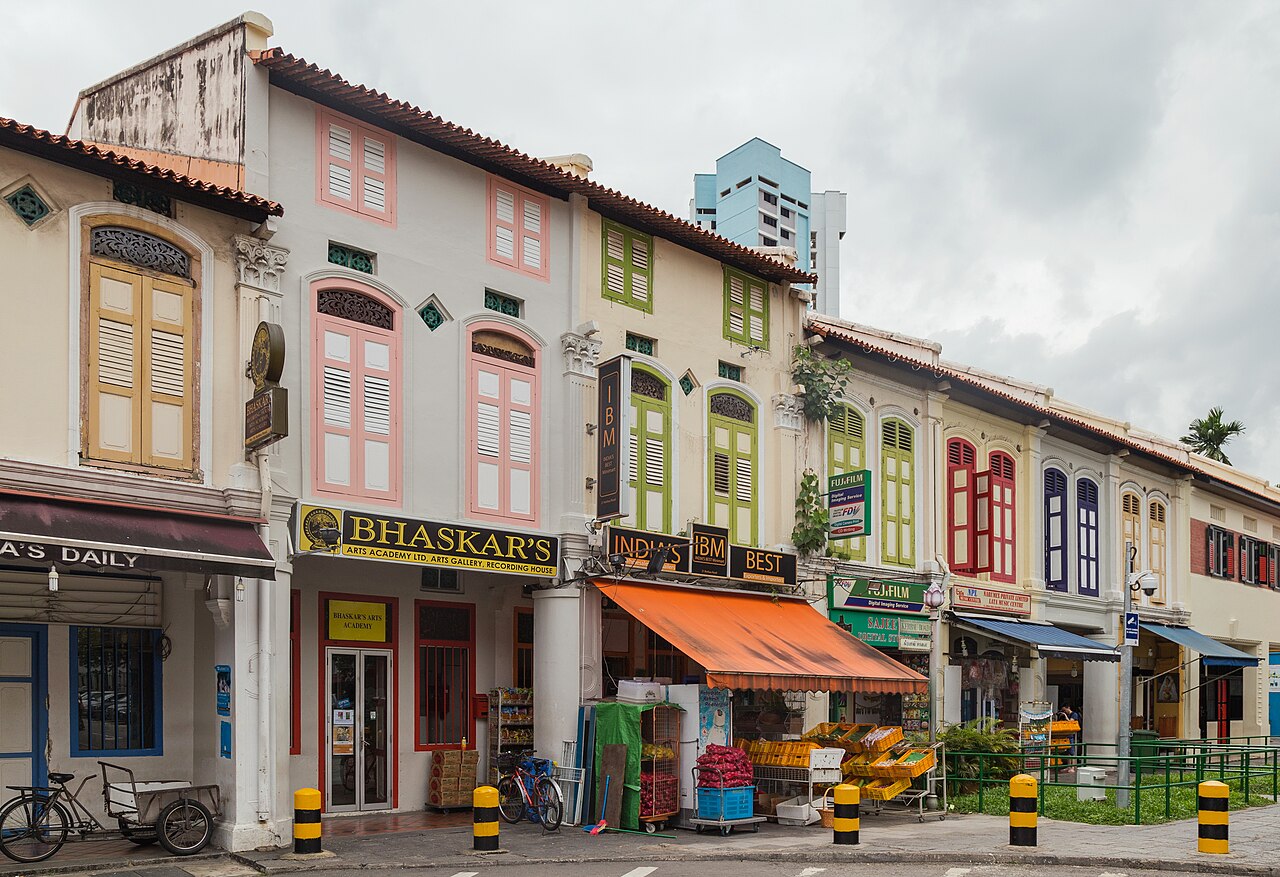
Little India 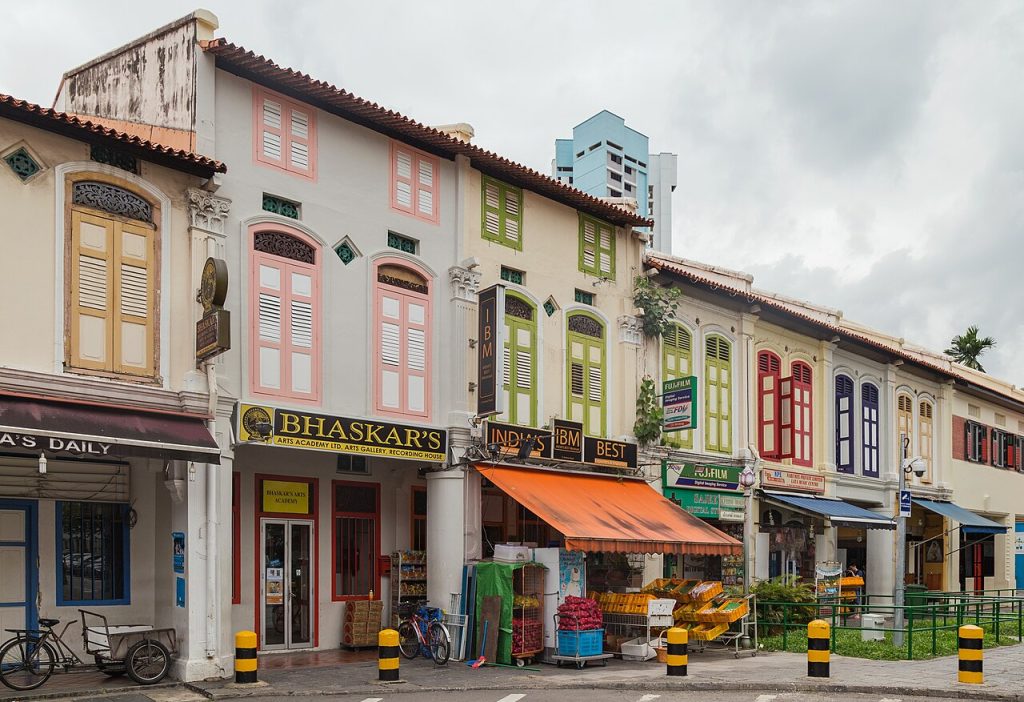
Best suited to: traditional retail, food businesses and specialist shops
Neighbourhood character
Little India is a lively commercial and cultural district with traditional shops, restaurants, specialist retailers and busy streets around Serangoon Road and its surrounding lanes. Demand comes from local customers, workers, residents and visitors.
Types of businesses
-
Traditional clothing and textile shops
-
Jewellery, gifts and specialist retail
-
Food businesses and restaurants
-
Businesses serving local communities
Investment and rental potential
Compared with the most prestigious CBD shophouse addresses, selected Little India properties may offer a lower entry point. However, prices vary by street, frontage, property size and approved use.
Investors should look at the strength of the existing tenant market and the rent that a property can realistically command. For tenants, understanding the local customer base is particularly important.
Jalan Besar 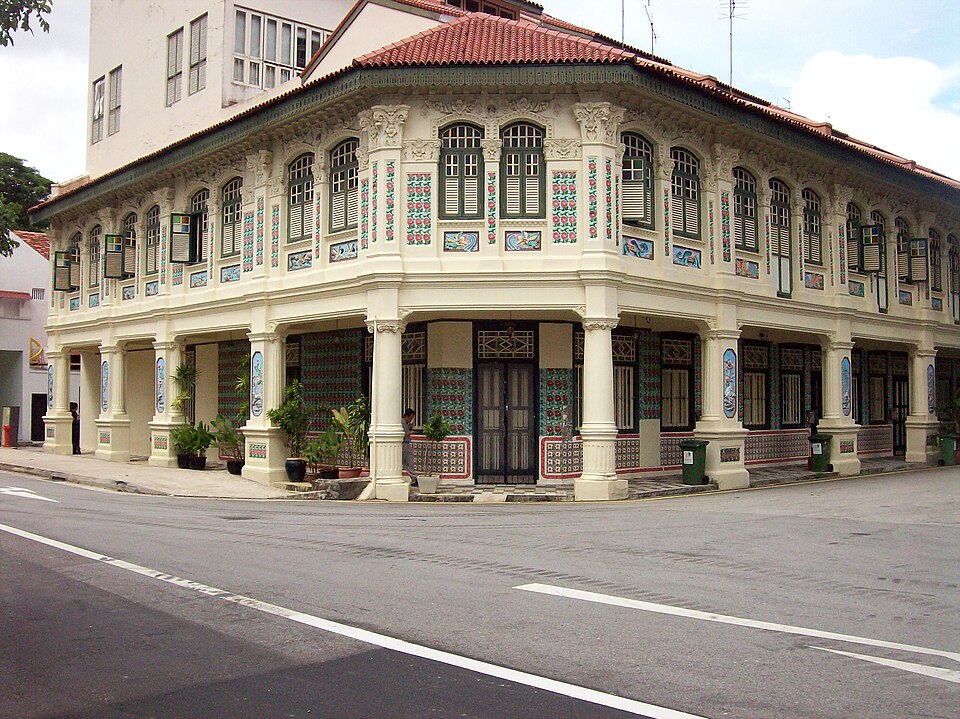
Best suited to: cafes, studios, showrooms, offices and selected food businesses
Neighbourhood character
Jalan Besar has a mixed city-fringe character, combining traditional trades, residential buildings, small hotels, cafes and newer creative businesses. It is less uniformly premium than some CBD streets, which means individual blocks can have very different commercial profiles.
Types of businesses
-
Independent cafes and restaurants
-
Creative studios and design businesses
-
Furniture, lighting and specialist showrooms
-
Small offices and selected retail businesses
Investment and rental potential
Jalan Besar is worth researching for buyers who want a city-fringe location without necessarily paying the highest CBD premiums. Its appeal depends on the individual street, transport access, local demand and the condition of the building.
For tenants, the area may suit businesses that need character and accessibility but do not require a prestigious corporate address.
Joo Chiat and Katong 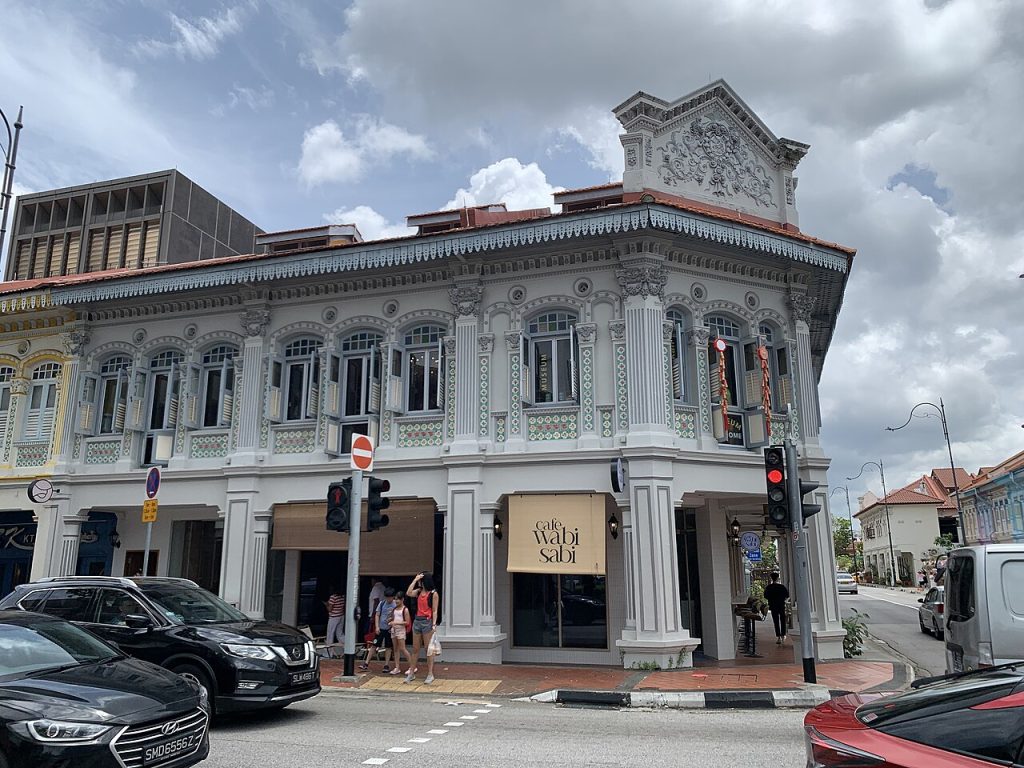
Best suited to: cafes, restaurants, boutiques and neighbourhood lifestyle businesses
Neighbourhood character
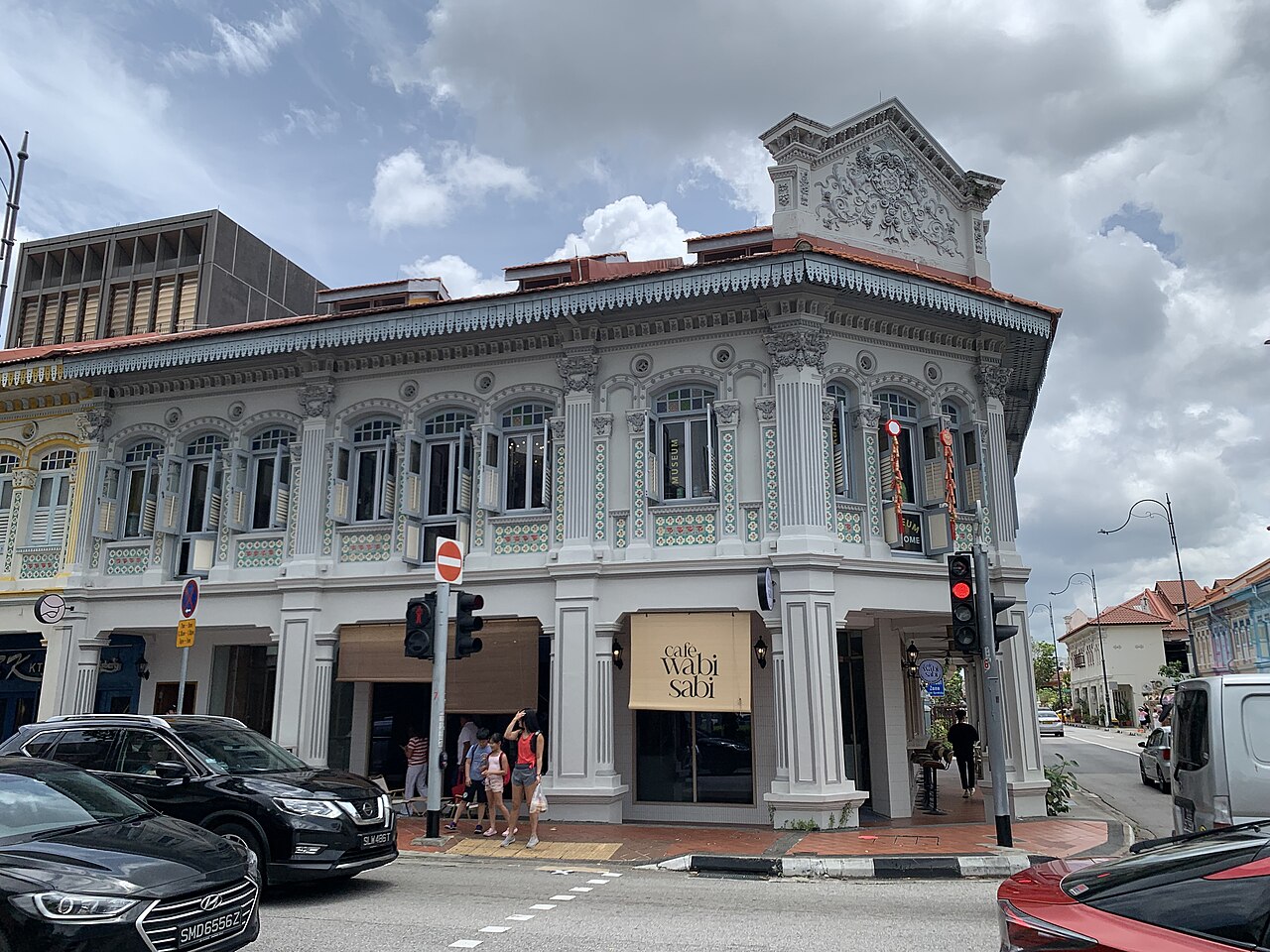
Joo Chiat and Katong are known for their Peranakan heritage, colourful shophouses, food destinations and established residential catchment. Unlike the CBD, their commercial appeal is strongly linked to neighbourhood spending and destination dining.
Types of businesses
-
Independent cafes, bakeries and restaurants
-
Specialty food and lifestyle retail
-
Fashion and homeware boutiques
-
Wellness and pet-related services
Investment and rental potential
Joo Chiat and Katong may appeal to buyers seeking a combination of heritage character and local residential demand. The area can also attract tenants who want a recognisable lifestyle location without operating in the central business district.
Investors should distinguish between commercial-use shophouses and properties with residential or mixed-use planning status. That distinction affects how the property can be occupied and what income strategies are available.