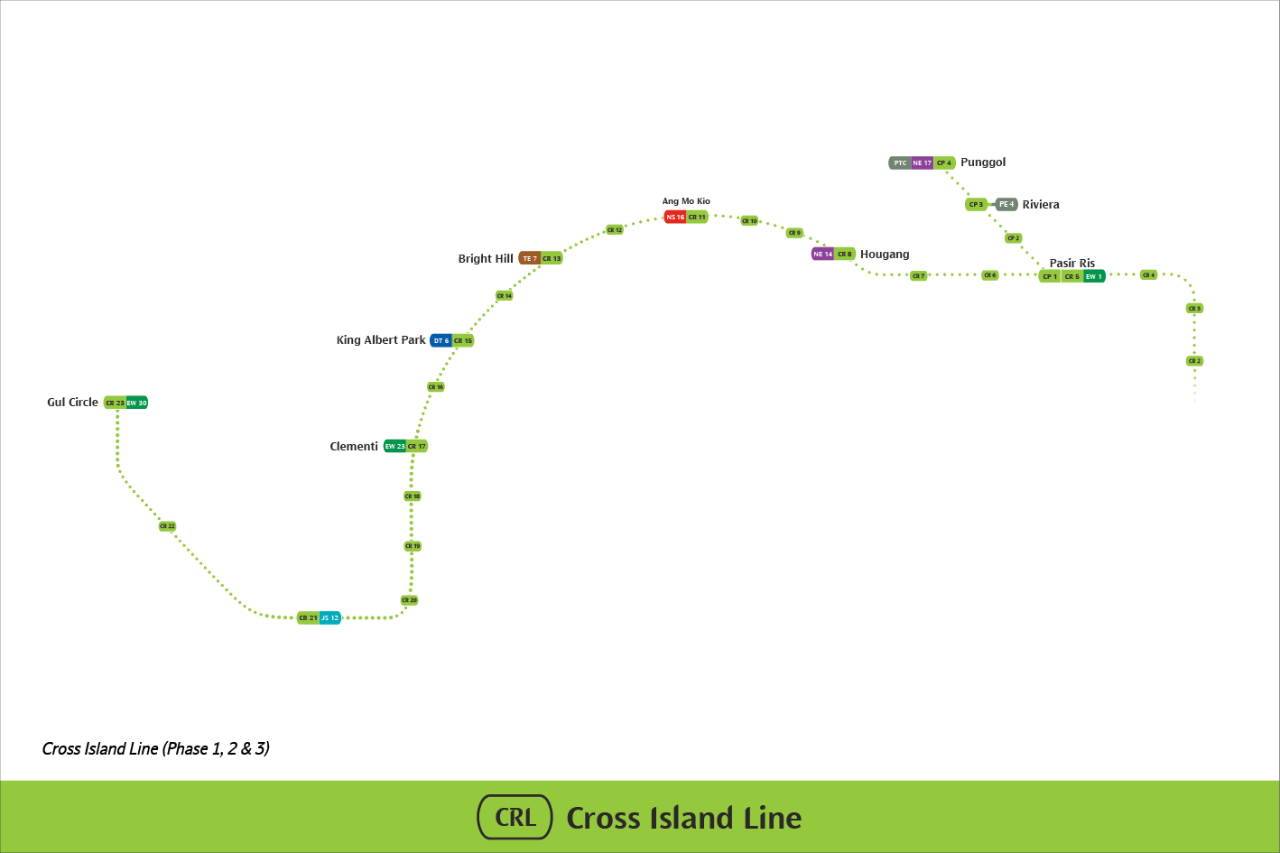
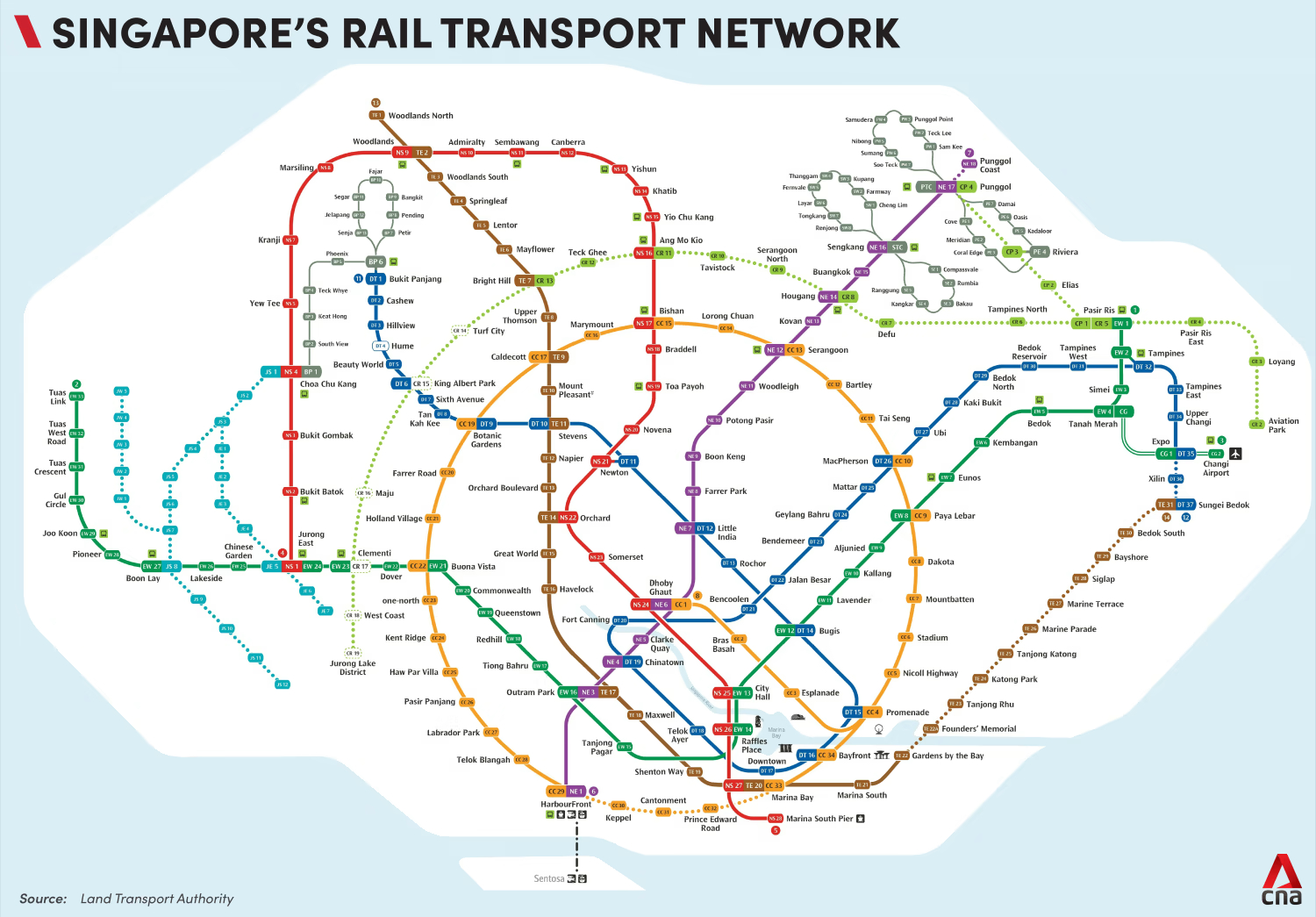
Singapore’s upcoming Cross Island Line (CRL) is set to improve connectivity across the eastern, north-eastern and western parts of the island. As the country’s eighth MRT line, it will provide new travel routes between residential neighbourhoods, employment hubs and other parts of Singapore, reducing reliance on journeys that pass through the city centre.
For property buyers and investors, the CRL could make selected neighbourhoods more attractive by improving accessibility and convenience. However, the potential benefits will vary depending on the property's proximity to the station, existing transport options, surrounding amenities and the price at which the property is purchased.
Which Areas Could Benefit from the Cross Island Line MRT?
1. Pasir Ris and Tampines North
Pasir Ris and Tampines North could benefit from improved connectivity between eastern Singapore and the north-east. The CRL Phase 1 will connect to the existing East-West Line at Pasir Ris, while the Punggol Extension will provide a more direct rail connection between Pasir Ris and Punggol.
For property buyers, these areas offer an opportunity to explore established residential towns alongside newer housing developments. Improved connectivity could make commuting more convenient for residents travelling between the eastern and north-eastern regions, including employment areas around Loyang and Changi.
Buyers should compare individual properties based on their actual walking distance to the future station, existing amenities and competing residential supply.
2. Hougang, Serangoon North and Defu
The north-eastern corridor is another area worth watching. The CRL will introduce new connections in Hougang, Serangoon North and Defu, with Hougang providing an interchange with the North-East Line.
Serangoon North and Defu may be particularly interesting to buyers looking for neighbourhoods where public transport accessibility is expected to improve. For residents who currently depend more heavily on buses or private transport, a nearby CRL station could offer additional commuting options.
When evaluating properties in these locations, consider whether the development is within comfortable walking distance of the planned station and whether the expected connectivity benefits are already reflected in its asking price.
3. Ang Mo Kio and Bright Hill
Ang Mo Kio and Bright Hill will benefit from additional interchange connections, linking the CRL with the North-South Line and Thomson-East Coast Line respectively.
These connections could improve access to employment centres and amenities across Singapore while offering residents more options when travelling between different parts of the island.
For property buyers, established residential areas may appeal to those who value existing amenities, schools, shopping facilities and public transport. The key consideration is whether the additional CRL connection provides a meaningful improvement over the property's current accessibility.
4. Punggol and Sengkang
The CRL Punggol Extension will strengthen connectivity between the north-east and eastern Singapore. The extension will connect Punggol, Riviera, Elias and Pasir Ris, with interchange connections to the North-East Line, Punggol LRT and East-West Line.
Punggol and nearby parts of Sengkang could benefit from more convenient journeys towards Pasir Ris, Tampines North and eastern employment hubs. The extension is also relevant to the longer-term development of the Punggol Digital District.
For buyers considering properties in the north-east, the improved rail connection could be an additional factor when assessing long-term liveability and accessibility. Nevertheless, property selection should also take into account existing transport links, nearby amenities and the availability of competing homes.
5. Turf City, Maju and King Albert Park
The CRL Phase 2 will extend connectivity through parts of Singapore's central-western region, including Turf City, Maju and King Albert Park.
King Albert Park will provide an interchange with the Downtown Line, while the new stations are expected to improve access to areas that currently have fewer direct MRT connections. Turf City is also worth monitoring in the context of longer-term planning and redevelopment in the surrounding area.
For property investors, these locations warrant closer attention to future land-use plans, potential residential supply and the distance between existing developments and the planned station entrances. Any investment decision should account for the time required for infrastructure and surrounding developments to be completed.
6. Clementi and West Coast
Clementi and West Coast are among the western areas that could see meaningful improvements in rail connectivity from CRL Phase 2. Clementi will connect with the East-West Line, while the new West Coast station will improve access to its surrounding neighbourhood.
For residents, these connections could provide more convenient journeys across the island, including towards other residential areas and employment centres. Buyers may wish to compare existing condominiums and homes in the vicinity, paying particular attention to current MRT accessibility and the additional convenience the CRL could bring.
Properties that are genuinely close to the new station entrances may be better positioned to benefit from improved accessibility, although this does not guarantee stronger price appreciation.
7. Jurong Lake District and Gul Circle
The later phases of the CRL will extend the line towards Jurong Lake District and Gul Circle, improving connectivity across Singapore's western corridor.
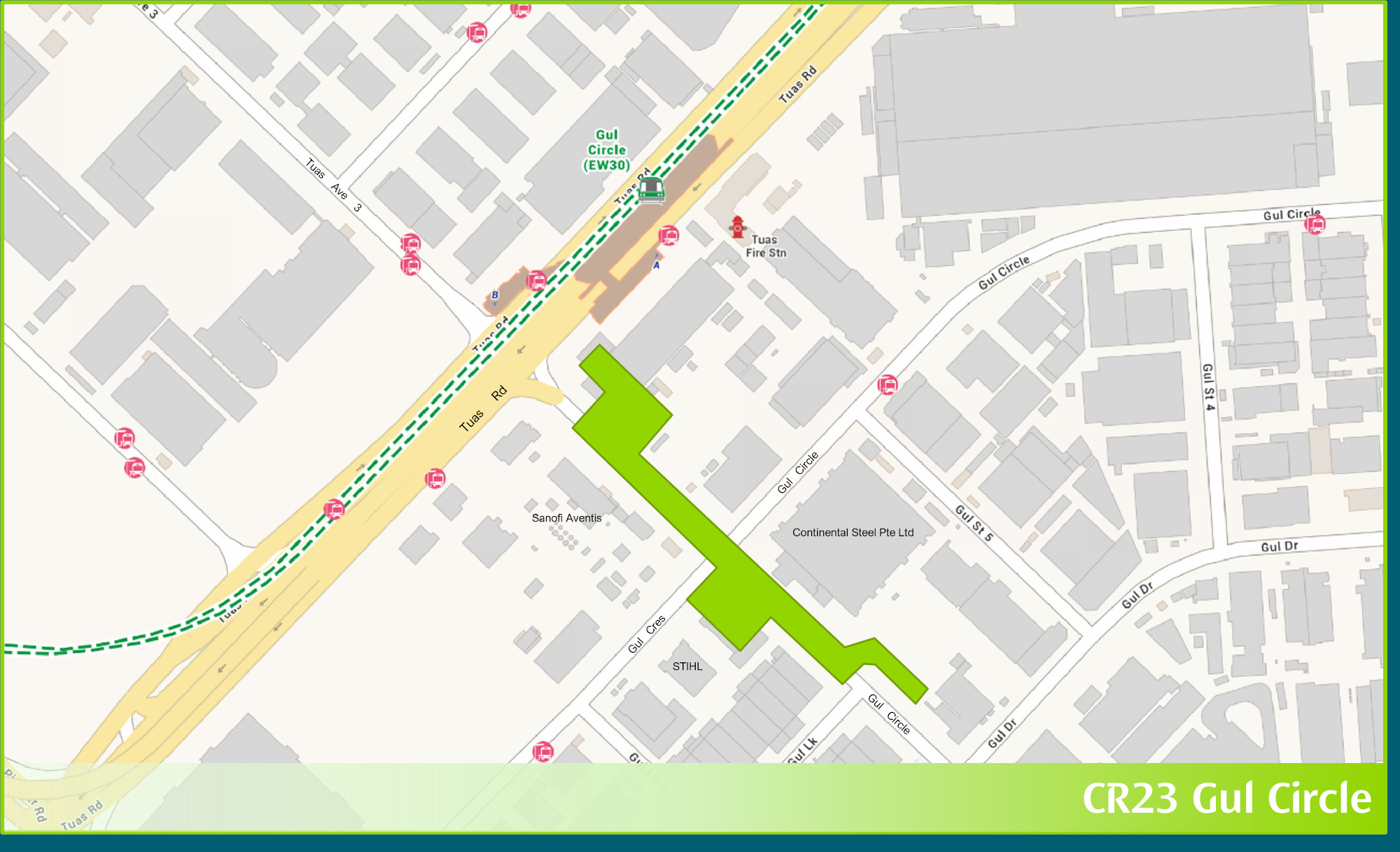
Jurong Lake District is planned as a major mixed-use business and lifestyle hub, while the connection at Gul Circle will link the CRL with the East-West Line. Together, these developments could improve access between residential neighbourhoods, commercial areas and western employment centres.
For property buyers, the longer-term opportunity lies in understanding how transport improvements interact with future employment growth, residential demand and new development supply. As this section of the line is targeted for completion in the late 2030s, buyers should take a longer investment horizon and account for the uncertainty associated with developments that are still years away.
Will the Cross Island Line Increase Property Prices?
Improved MRT connectivity can support residential demand by making a location more convenient for commuters. However, the opening of a new MRT station does not automatically translate into higher property prices or stronger investment returns.
The potential impact will depend on several factors:
- Proximity to the station: Homes within convenient walking distance may benefit more directly from improved accessibility.
- Existing connectivity: Areas that already have good MRT access may experience a smaller incremental benefit than locations with fewer transport options.
- Purchase price: Anticipated infrastructure improvements may already be reflected in current property prices.
- Future supply: New residential developments could increase competition among properties in the same neighbourhood.
- Amenities and employment: Access to schools, shopping facilities, parks and major employment hubs can influence long-term residential demand.
- Completion timeline: Buyers should consider how long they may need to wait before the transport improvements become available.
For property investors, the best approach is to compare individual developments rather than assume that every neighbourhood along the CRL will benefit equally. A combination of convenient station access, reasonable entry pricing, strong surrounding amenities and sustainable housing demand may provide a more compelling investment case.
The Cross Island Line is an important part of Singapore's long-term transport network. By assessing each location carefully, homebuyers and investors can better identify properties that may benefit from improved connectivity while remaining mindful of the risks.
Would you like further insights into upcoming government development plans and how it can affect your property value? Contact Benson at 83187083 for a chat or register your interest below.
Read on to learn more about the confirmed station locations and properties near them.
Phase 1: target to complete by 2030
Covering over 29km and have 12 stations - Aviation Park, Loyang, Pasir Ris East, Pasir Ris Interchange, Tampines North, Defu, Hougang Interchange, Serangoon North, Tavistock, Ang Mo Kio Interchange, Teck Ghee, Bright Hill Interchange.
Punggol Extension: target to complete by 2032
This 7.3km-long extension will branch out from Pasir Ris station and connect to Punggol station via two new stations - Elias and Riviera.
Phase 2: target to complete by late 2030s
6 underground stations extend ~15km westwards from Bright Hill via stations Turf City, King Albert Park, Maju, Clementi, West Coast and Jurong Lake District.
Phase 3: target to complete by late 2030s
Approximately 10km with four underground stations, connecting Jurong Lake District to Gul Circle (Tuas). Construction works for CRL3 are targeted to commence in 2027 and open by the late 2030s.
CR2 - Aviation Park MRT Station

Serving the area around Aviation Park Road, near Changi Air Base. The station number is "CR2", as LTA is considering linking the CRL to Changi Airport Terminal 5 so "CR1" is reserved for the potential airport station.
CR3 - Loyang MRT Station

Located in between Loyang Industrial Park and Loyang Valley condo. This will greatly benefit those working in the Loyang industrial area.
Nearby Properties:
CR4 - Pasir Ris East MRT Station

Located along Pasir Ris Drive 1. Loyang Point, Pasir Ris Polyclinic, White Sands Primary, Loyang Primary/Secondary, Greenview Secondary and the surrounding HDB estates are within walking distance.
Nearby Properties:
CR5/EW1 - Pasir Ris MRT Interchange

Interchange with the East West Line (EWL). The existing station next to White Sands mall will be expanded along Pasir Ris Drive 1. An integrated development comprising residences, a mall and bus interchange will be built here.
Nearby Properties:
CR6 - Tampines North MRT Station

Located on vacant land between Tampines Avenue 11 and Tampines Industrial Street 62, this station will support the new HDB estates at Tampines North and Tampines North Industrial Park. Ikea, Giant and Courts Megastore are also in the vicinity.
CR7 - Defu MRT Station

Serving the Defu industrial area, located along Tampines Road between Defu Avenue 1 and 2.
CR8/NE14 - Hougang MRT Interchange

Interchange with the North East Line (NEL). The existing Hougang station will be expanded onto adjacent vacant land and possibly integrated with the Hougang Central Bus Interchange next to it. There is potential here for a mixed development above the new station.
Nearby Properties:
CR9 - Serangoon North MRT Station

Located along Ang Mo Kio Avenue 3. Serving the Serangoon North HDB estate and schools such as Rosyth School and Bowen Secondary.
Nearby Properties:
CR10 - Tavistock MRT Station

Gain City and Daikin Airconditioning buildings at Ang Mo Kio Industrial Park 2 are being acquired to make way for this station. Tavistock Avenue Park is used for one of the entrances, and may subsequently be developed into a residential or mixed development.
CR11/NS16 - Ang Mo Kio MRT Interchange

Interchange with the North South Line (NSL). Ang Mo Kio Hub - next to the existing station - will be acquired and Ang Mo Kio Bus Interchange will likely be integrated into the new station. A new mall or mixed development is likely to be built above the new station.
CR12 - Teck Ghee MRT Station

Located along Ang Mo Kio Avenue 6, near the Bishan-Ang Mo Kio Park. Serving Teck Ghee HDB estate and Ang Mo Kio Secondary.
CR13/TE7 - Bright Hill MRT Interchange

Interchange with the Thomson East Coast Line (TEL). Kong Meng San Monastery will be acquired to make way for the station. It is likely that the vacant land opposite and the monastery site (quite a large one) will be developed into residential and/or mixed developments.
Nearby Properties:
CR14 - Turf City

CR15/DT6 - King Albert Park

Nearby Properties:
CR16 - Maju

Nearby Properties:
CR17/EW23- Clementi

CR18 - West Coast

CR19 - Jurong Lake District

CR20 Taman Jurong
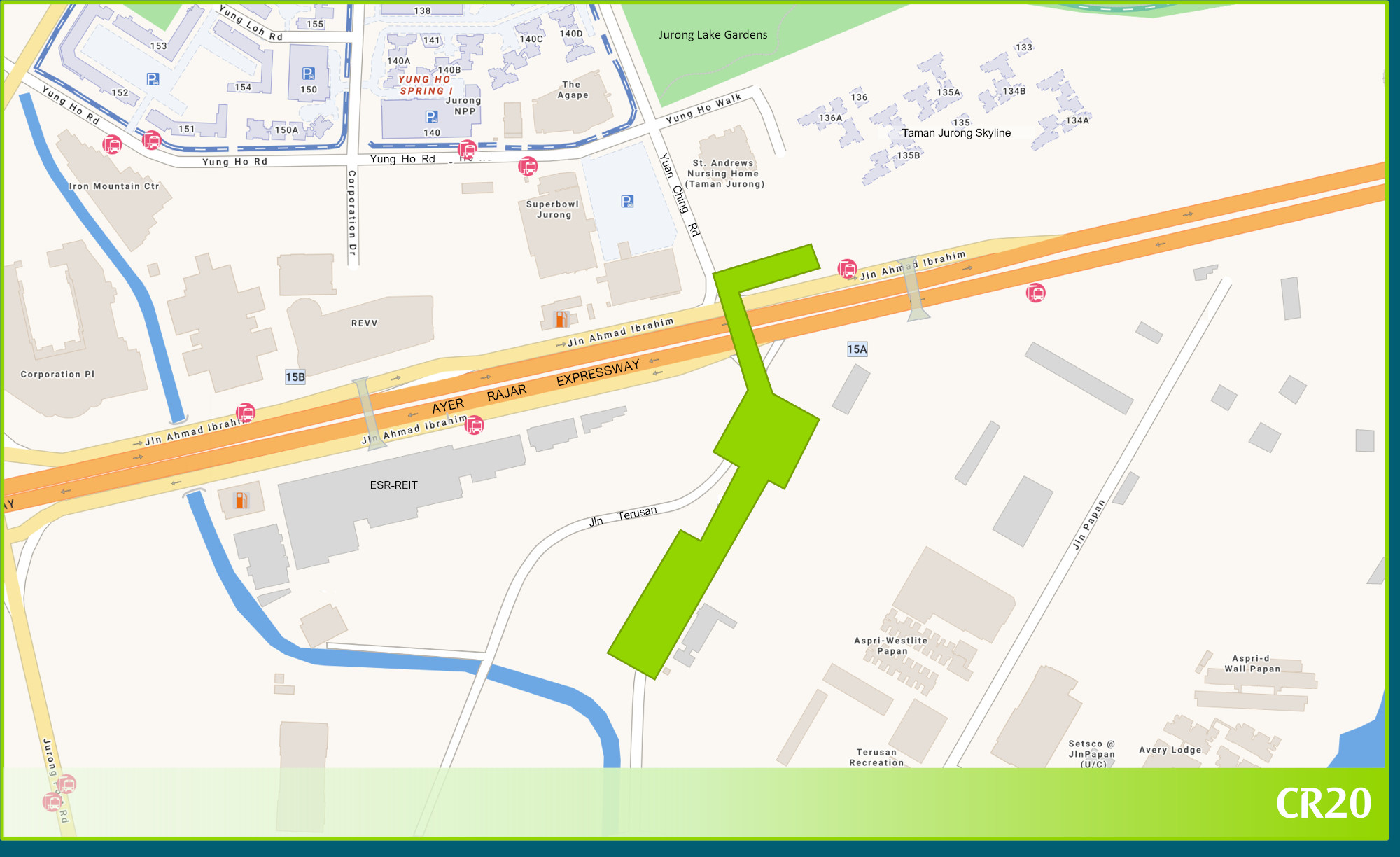
CR21 Jurong Pier
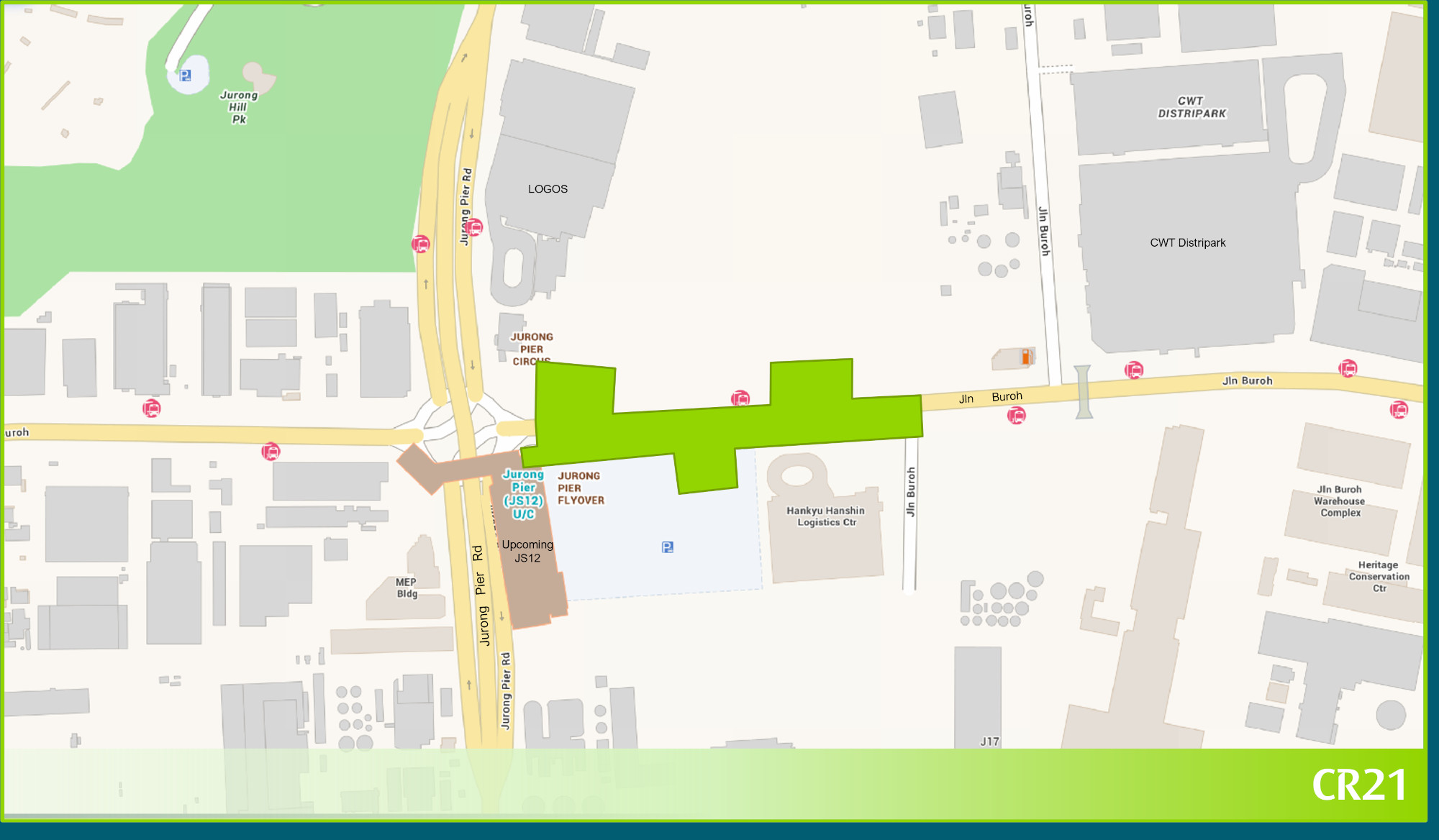
CR22 Gul Way
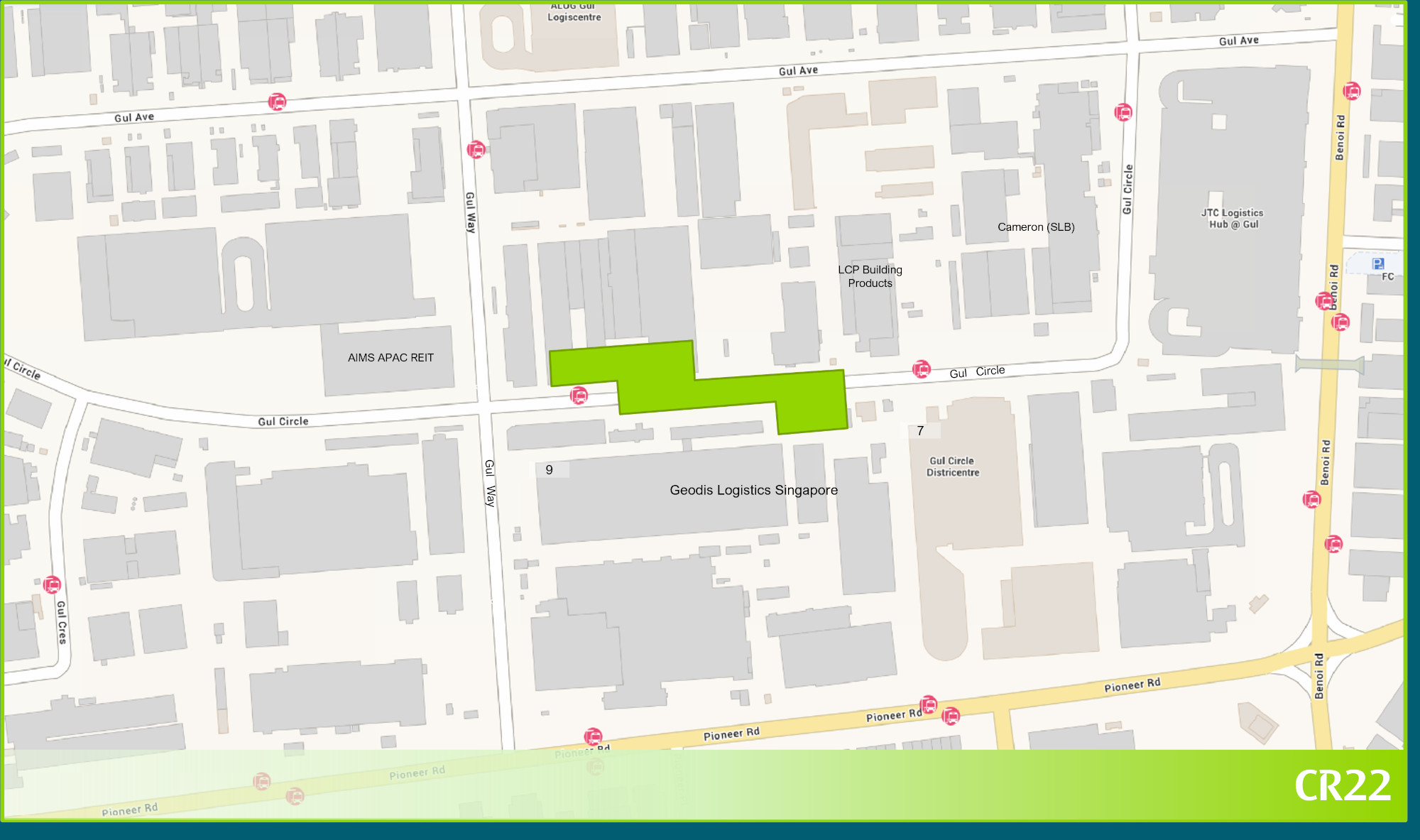
CR23 Gul Circle